








Diagnosis Congress Crud – Tips to Stay Healthy During the Congress
Some claim that you can only fight it off with Emergen-C® and vodka. Some people swear that you can catch it simply by watching the live feed. Others maintain that if you sleep in your tack stall, just once, you’re doomed.
The Overtraining Phenomenon – How to Peak Your Horse at Exactly the Right Time
September 1, 2026 Comments Off on The Overtraining Phenomenon – How to Peak Your Horse at Exactly the Right Time
There are an enticing array of high profile horse shows scattered across the country and the calendar. As a result, it can feel as though you must be at your absolute best for every show. Yet that can take a toll on the physical and mental well-being of both horse and rider. This overtraining phenomenon often leads to a discouraging show experience and can unwittingly spur on even more overtraining, perpetuating the cycle.
Continue reading …Conquering The Box: Tips for Finding the Plus in this Tricky Trail Maneuver
July 14, 2026 Comments Off on Conquering The Box: Tips for Finding the Plus in this Tricky Trail Maneuver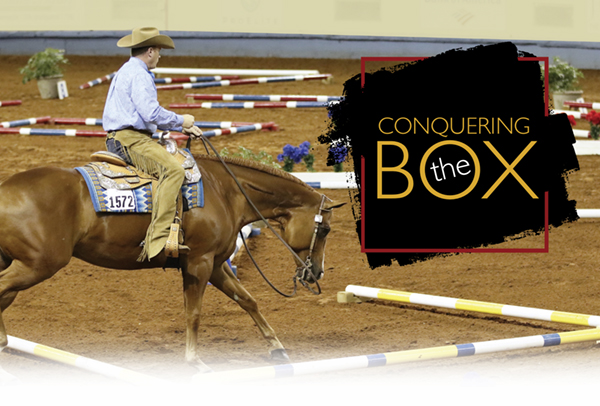
At first glance, the box is pretty basic: you walk, trot, or lope into the box. Turn and exit. So why is achieving a ‘plus’ so elusive in this simple square drawn in the dirt by four poles?
Continue reading …5 Exercises to Improve 5 Essential Showmanship Skills
June 14, 2026 Comments Off on 5 Exercises to Improve 5 Essential Showmanship Skills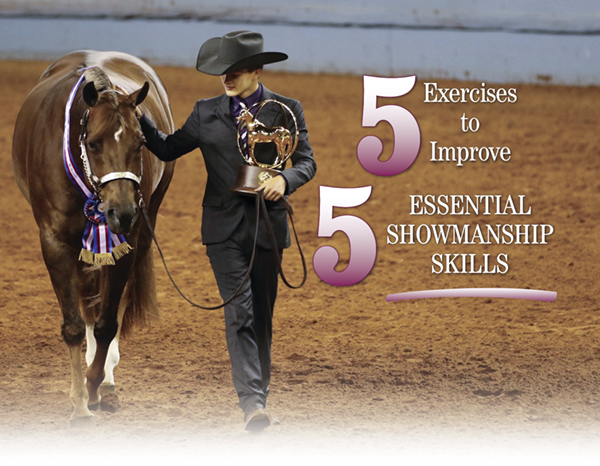
When it comes to Showmanship, the discipline has come a long way from its humble 4-H beginnings–when it was used to teach youth how to present an animal in-hand–to the complex dance we see between horse and exhibitor today. In fact, what was once thought of as a basic class has become one of the most technical of the all-around disciplines, with five maneuvers utilized in almost every pattern: the set-up, the walk, the trot, the back, and the turn.
Continue reading …5 Go-to Bits for Taking a Young Horse to an All-Arounder
February 21, 2026 Comments Off on 5 Go-to Bits for Taking a Young Horse to an All-Arounder
Transitioning from a snaffle or hackamore to a bit with a shank and a curb chain is a big transition in a young horse’s life and not one that happens overnight. First, the pressure applied takes place in entirely new and different areas. Acclimating a horse to new headgear is something that takes time, tenacity, and the right tools.
Continue reading …How to Tie the Wild Rag – Tips from the Experts
February 19, 2026 Comments Off on How to Tie the Wild Rag – Tips from the Experts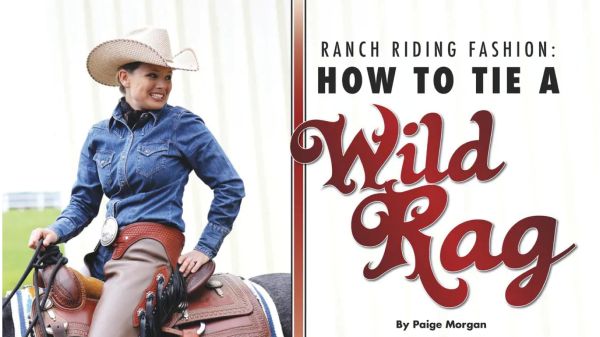
The discipline of Ranch Riding tends to lend itself to a casual, more laid back outfit: an oxford shirt, starched jeans, cowboy hat, boots, and a belt. While many exhibitors may invest in a pair of well-made chinks or armitas, a more cost-effective, simple, and unique alternative to dressing up any ranch outfit is the “wild rag” or cowboy scarf.
Continue reading …Step By Step – Setting Your Practice Trail Course for Success in the Pen
February 18, 2026 Comments Off on Step By Step – Setting Your Practice Trail Course for Success in the Pen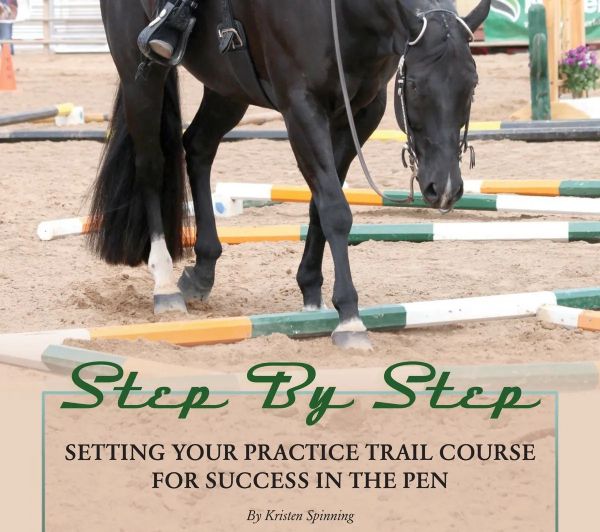
Perfecting the rhythm, flow, and connection that elevates your Trail work from the mundane to the sublime requires countless hours of practice over the poles. Many Trail exhibitors seek that precision by setting up Trail obstacles at home. It sounds simple: throw a few poles out there and do some lope-overs. However, to really make your extra practice time beneficial, a lot of thought and planning needs to go into the course setup. Accuracy matters if your goal is to closely simulate the challenges you will face at the show.
Continue reading …Pattern Practice Ahead of the Horse Show
December 22, 2025 Comments Off on Pattern Practice Ahead of the Horse Show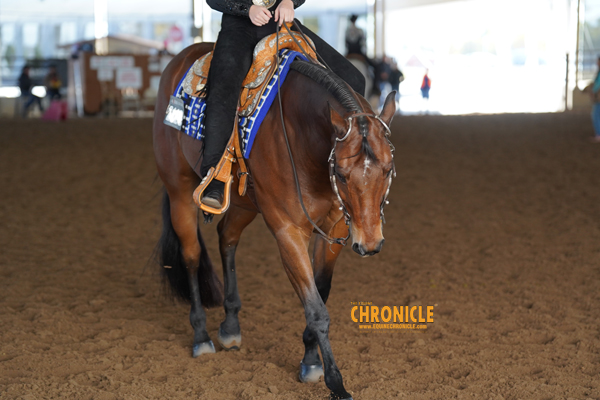
Every competitor has experienced that dreaded moment when the pressure is on and, for some unknown reason, their mind takes a holiday. What pattern? Extend the trot where? What are logs doing here? Which side of the cone am I supposed to be on? In the past, show nerves were exacerbated by the pressure of having to memorize patterns with little prep time before an event. Trainers and competitors juggling the excitement and energy of time crunch at the horse show found it difficult to do their best under those circumstances when only given a few minutes to learn a complicated series of maneuvers.
Continue reading …Banish That Winter Coat – Top Pros Give Tips to Get a Great Hair Coat
December 2, 2025 Comments Off on Banish That Winter Coat – Top Pros Give Tips to Get a Great Hair Coat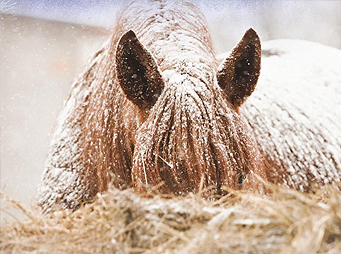
We asked top professionals your biggest questions about keeping a show-worthy hair coat. Here’s what they had to say…
Continue reading …Disciplined Rail with PtHA, APHA & NSBA Judge Mark Smith – Splash of Color Podcast
April 18, 2025 Comments Off on Disciplined Rail with PtHA, APHA & NSBA Judge Mark Smith – Splash of Color Podcast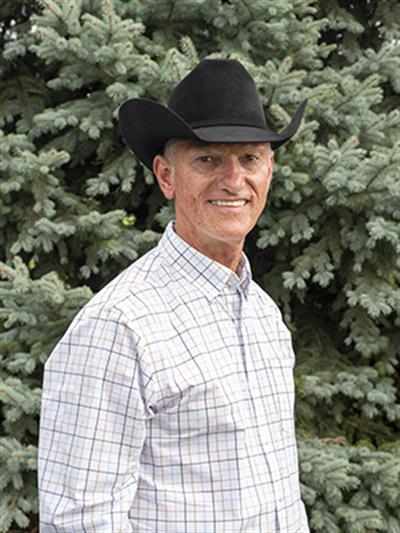
Episode 16 of A Splash of Color, a Michigan-based podcast by Amy Franks: Discussing Disciplined Rail with PtHA, APHA & NSBA Judge Mark Smith Listen as PtHA, APHA, NSBA Judge and PtHA Judges Hall of Fame recipient Mark Smith, an instructor at the University of Findlay, shares his perspective on disciplined rail as well as […]
Continue reading …