







Help Your Horse Weather the Cold Snap

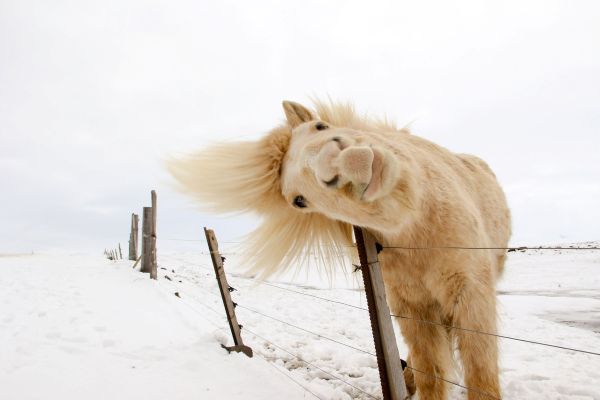
Arctic air is at our doorstep, and that means it’s time to take a few extra steps to keep our horses comfortable and healthy. Here are some practical tips to help your horse weather the cold snap.
Keep your horse warm with forage.
Help your horse stay hydrated.
A 1,000-pound horse needs 10 to 12 gallons of water daily. Cold weather may reduce their water intake and increase the risk of colic. Make sure horses have free access to clean water – check that it hasn’t froze. Break and remove ice from water sources, especially if it restricts access to water. Remember, snow and ice are not appropriate water sources.
Make sure horses have free access to shelter like an open-sided shed.
In the absence of wind and moisture, most horses tolerate temperatures at or slightly below 0°F; this assumes horses are healthy adults, are acclimated to cold climates, have a winter coat, and have adequate hay and water. If horses have access to a shelter, they can tolerate temperatures as low as -40°F. Shelter space should accommodate all horses that are housed together with special consideration to herd dynamics.
Make sure your horse has opportunities to walk and stretch.
Walking supports gut motility and helps prevent stocking up and stiffness. Avoid riding or exercising your horse during very cold weather, which can be hard on their airways.
Provide a waterproof, insulated blanket if needed.
Many healthy adult horses with a winter coat do well without a blanket if they’re acclimated to cold climates. In extreme temperatures, it’s important to check every horse and adapt your management practices as needed. If you decide to blanket, make sure it is waterproof and has enough insulation to retain your horse’s body heat. Sheets or under-insulated blankets may not retain sufficient heat for your horse and are less effective than a good natural winter hair coat.
Blanketing a horse is necessary when:
-there is no shelter available during turnout and the temperatures and/or wind chill drop below 5°F
-there is a chance the horse will become wet
-the horse is very young or very old
-the horse’s hair coat is clipped or thin
-the horse has a body condition score of 3 or less and/or
-the horse is not acclimated to cold climates