








Foundation for the Horse Working with Veterinary Groups Providing Hurricane Ida Equine Relief
August 31, 2021 Comments Off on Foundation for the Horse Working with Veterinary Groups Providing Hurricane Ida Equine Relief
The Foundation has provided immediate aid of $20,000 total to two groups it has worked with previously on disaster relief: the Louisiana Veterinary Medical Association’s Equine Committee and the Texas Equine Veterinary Association Foundation, which will be assisting its neighbors in Louisiana. In anticipation of the storm, The Foundation worked with these groups and others on shelter locations, hay, feed shipments, and veterinary medical supplies. Veterinarians within these groups had been actively helping horses evacuated prior to the storm and are currently assisting with recovery and post-storm care.
Continue reading …WARNING: Just Posting a Sign Will Not Protect Your Horse Business
August 31, 2021 Comments Off on WARNING: Just Posting a Sign Will Not Protect Your Horse Business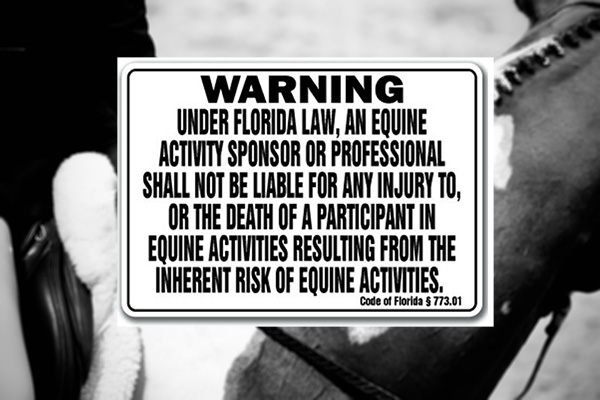
Contrary to popular belief, equine laws do not prevent horse owners and professionals from being sued. Instead, these laws provide a statutory defense that can be asserted by a defendant to a lawsuit. Even if successful with a statutory defense, defending a lawsuit can be stressful, time-consuming, and expensive. In some states, to be protected under the law, a horse owner or professional must obtain a written document with the law’s warning notice clearly printed on it signed by the participant or post a sign stating the law in a visible location near the equine activity.
Continue reading …UF Veterinary College Aims to Enhance Diversity Through Mentoring Program
August 29, 2021 Comments Off on UF Veterinary College Aims to Enhance Diversity Through Mentoring Program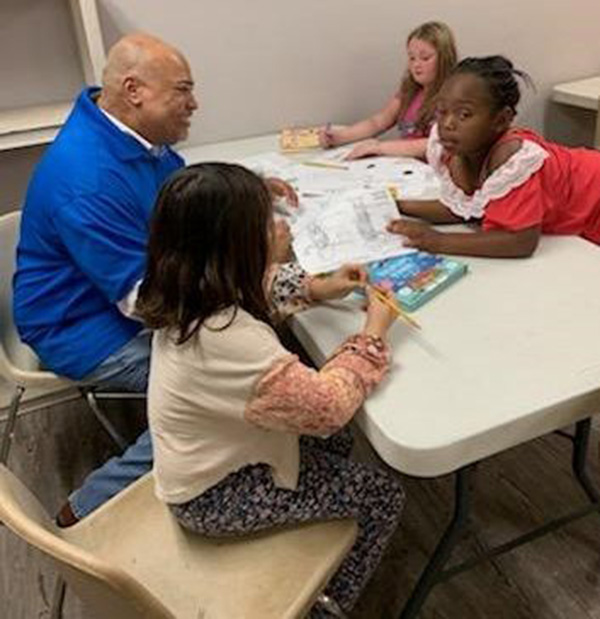
Dr. Michael Bowie, left, with girls at Girl’s Place in Gainesville, during the “How We Role” program the UF College of Veterinary Medicine initiated in 2019. The new Vet Start program targets an older age group and will begin this fall.
Continue reading …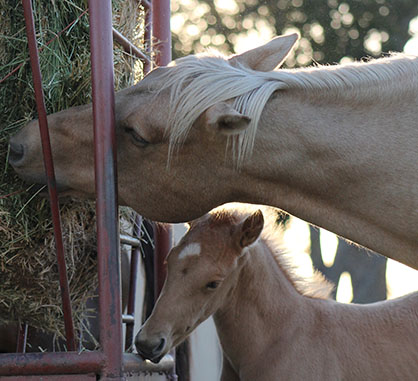
Some studies have shown the prevalence of gastric ulcers to be as high as 50-90% of the observed population. There are a variety of reasons why this may be.
Continue reading …Feeding Performance Horses in 5 Easy Steps
August 27, 2021 Comments Off on Feeding Performance Horses in 5 Easy Steps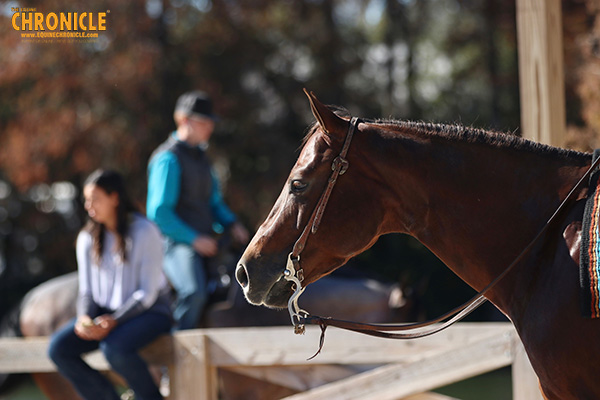
Okay, let’s get real: While nutrition is one of the most important ways to influence any animal’s health, feeding horses is not rocket science, and we tend to overcomplicate equine nutrition.
Continue reading …Watch AQHA Competitive Edge Videos on Horsemanship, Equitation, and Showmanship
August 26, 2021 Comments Off on Watch AQHA Competitive Edge Videos on Horsemanship, Equitation, and Showmanship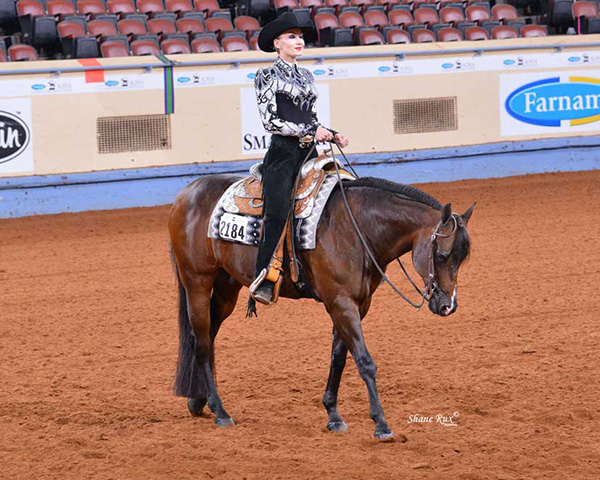
AQHA Publicity Want to learn how to improve your techniques? Go to the American Quarter Horse Association’s Facebook page to watch these AQHA Professional Horsemen Competitive Edge videos on horsemanship, hunt seat equitation and showmanship to gain an insider’s perspective. These Professional Horsemen take viewers stride-by-stride through some top scored classes in each discipline. AQHA Professional […]
Continue reading …Protecting Animals When Disaster Strikes- State of CA Creates New Veterinary Emergency Team
August 23, 2021 Comments Off on Protecting Animals When Disaster Strikes- State of CA Creates New Veterinary Emergency Team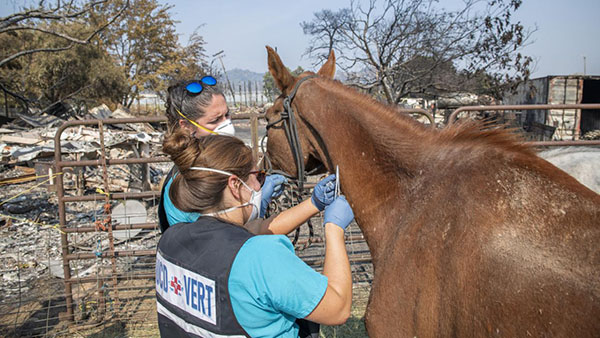
“Recent wildfires have overwhelmed the state’s ability to safely evacuate and care for household animals and livestock,” Sen. Glazer said. “Twice in the past five years we have had to call on Texas to send an emergency team to assist. That puts not just animals at risk but also increases the danger for residents and first responders if people stay behind fire lines because they fear their animals will not be cared for. We need this new team to help train, coordinate and lead the hundreds of volunteers who are eager to help. Our goal is a team that is ready to respond anywhere in the state with a mobile command center, a clinic if necessary, and the veterinarians, equipment and medicine to get the job done.”
Continue reading …What’s the Best Advice You’ve Received Before a Competition?
August 16, 2021 Comments Off on What’s the Best Advice You’ve Received Before a Competition?
From the instructional and humorous to the motivational or calming, it’s always nice to have one final piece of advice before you enter the pen to compete at a big horse show.
Continue reading …Annual Equine Industry Event Returns In-Person This Fall
August 15, 2021 Comments Off on Annual Equine Industry Event Returns In-Person This Fall
“We are excited to reconvene in-person this year with a great program,” said Caitlin Bainum, UF/IFAS Extension Marion County livestock agent. “This year, we will feature some basic but important topics such as hoof care and how to read product labels when applying your own farm herbicides and fertilizers. Attendees will get acquainted with some new rules and laws that affect the transportation of horses and the management of their farms.”
Continue reading …Keep Your Animals Cool as Dangerous Heat Wave Spreads Across Country
August 13, 2021 Comments Off on Keep Your Animals Cool as Dangerous Heat Wave Spreads Across Country
American Humane (edited release) Washington, D.C. – As Americans across the country are sweltering amidst a record-setting heat wave that is making its way across the nation, American Humane reminds pet owners to keep their pets safe, hydrated and cool by following simple tips and being mindful. Intense heat is pulverizing the American Northwest. Across […]
Continue reading …