







Equine Industry Unites Over Need For Workable Horse ID System
March 19, 2015 Comments Off on Equine Industry Unites Over Need For Workable Horse ID System
Equine Industry Unites Over Need For Workable Horse ID System
Continue reading …Demystifying the Equine Pre-Purchase Exam
March 17, 2015 Comments Off on Demystifying the Equine Pre-Purchase Exam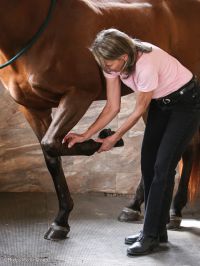
While many buyers expect a vet to “pass” or “fail” a horse (as is common in some European nations), that is not the case in the United States.
Continue reading …
Equine Guelph’s free online health care tool, the Colic Risk Rater, helps horse owners reduce their horse’s risk of Colic. In ten minutes, the tool calculates risk factors in ten categories providing feedback on management practices.
Continue reading …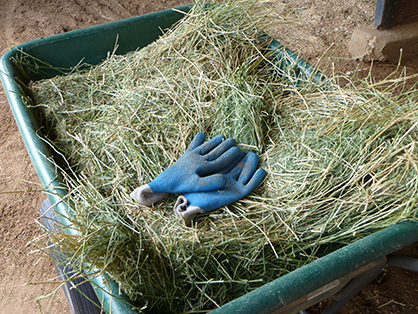
The feed value of your hay can also influence body weight, immune function, and overall body condition.
Continue reading …UC Davis Ranked #1 Veterinary School in United States
March 10, 2015 Comments Off on UC Davis Ranked #1 Veterinary School in United States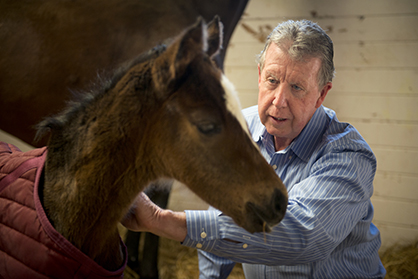
A strong leader in veterinary medical education, UC Davis has the largest resident program of any veterinary school in the country.
Continue reading …Calculating PPM For Horse Supplements in Two Easy Steps
March 6, 2015 Comments Off on Calculating PPM For Horse Supplements in Two Easy Steps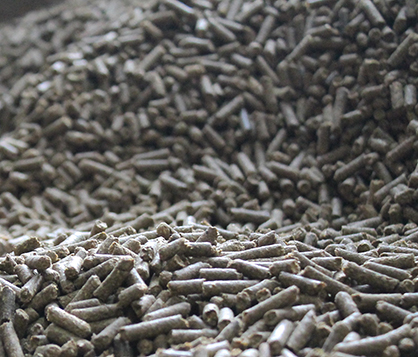
Example #1: Your hay contains 140 ppm of iron. How much iron is in 20 lbs of hay?
Continue reading …Trailer Preparation Tips for Horse Show Travel Season
March 4, 2015 Comments Off on Trailer Preparation Tips for Horse Show Travel Season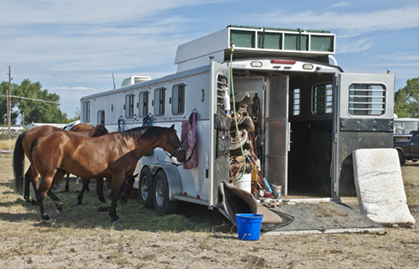
While many of us are currently buried up to our noses in snow, travel season is just around the corner. Before the start of this season, it is critically important for many equine enthusiasts to perform basic, yet essential, maintenance on their trailers.
Continue reading …Merial Purchases Equine Products LEGEND® and MARQUIS® From Bayer
March 3, 2015 Comments Off on Merial Purchases Equine Products LEGEND® and MARQUIS® From Bayer
“LEGEND and MARQUIS both have long histories of success and enhance our existing product offerings to all horse owners, whether they trail ride, compete locally or have stood in the winner’s circle on the national stage.”
Continue reading …Horse Poop Needed… (Not a Joke) It’s For Research!
February 26, 2015 Comments Off on Horse Poop Needed… (Not a Joke) It’s For Research!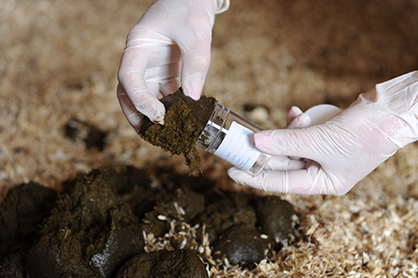
Dr. Tom Schell and the team at Nouvelle Research, Inc. are investigating the impact of bacterial shifts within the feces of horses and the subsequent impact on health and lameness. For decades, we have known that in certain horses as a result of environmental problems, stress and feed changes that the bacterial population can shift, but we haven’t looked at this problem in the everyday horse.
Continue reading …A Boy and His Horse: Large Animal Hospital Helps Restore a Special Bond
February 24, 2015 Comments Off on A Boy and His Horse: Large Animal Hospital Helps Restore a Special Bond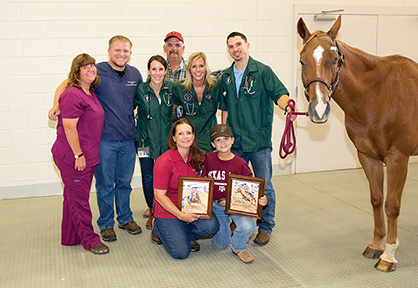
It is often said that dogs are man’s best friends, but sometimes a horse can be a boy’s best friend. Ten-year-old Kaden Ramirez and his horse, George, share a bond that is deeper than most.
Continue reading …