








Understanding Antioxidant Supplements for Horses
June 14, 2016 Comments Off on Understanding Antioxidant Supplements for Horses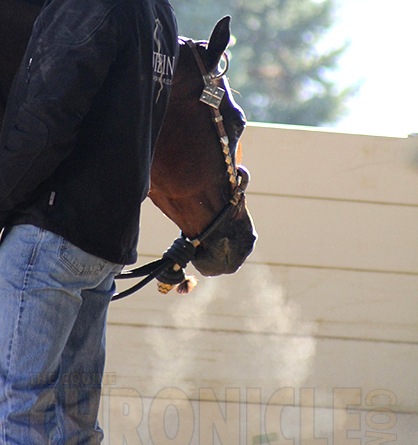
During exercise, horses inhale more oxygen than usual to meet the demand of their muscles. Along with supporting the muscular oxygen needs, free radicals are produced and horses suffer oxidative stress. Damage by free radicals is associated with aging and various diseases.
Continue reading …SmartPak Conducts Successful Research on Vitamin E Pellets
June 10, 2016 Comments Off on SmartPak Conducts Successful Research on Vitamin E Pellets
“For optimum muscular and neurological health, dietary vitamin E is a critical component to your horse’s own antioxidant defense systems,” says Dr. Lydia Gray, SmartPak’s Staff Veterinarian/Medical Director and primary investigator. “Through this 14-day study, we were able to conclusively show that our “natural” vitamin E supplement is well-absorbed by horses, rapidly reaching recommended levels in the body.”
Continue reading …Journal of Equine Veterinary Science to Publish LIFELINE Equine Gut Study
June 8, 2016 Comments Off on Journal of Equine Veterinary Science to Publish LIFELINE Equine Gut Study
It’s well-known that stress, training, trailering and competition can cause occasional gut issues in performance horses. This can cause horses to be cinchy, have a rough hair coat, go off feed, and not perform to their potential.
Continue reading …
Riding and working at the barn is a highly effective cardio workout. Following is the average calories burned by a 155 lb. rider:
Walking at 4 mph- 281 calories, Riding at a walk- 176 calories, Grooming- 422 calories, Shoveling- 422 calories, Riding at a trot- 457 calories, Riding at a canter- 563 calories.
Horse Professionals Compete for $100,000 in Cash and Prizes in 2016 Time to Ride Challenge
June 2, 2016 Comments Off on Horse Professionals Compete for $100,000 in Cash and Prizes in 2016 Time to Ride Challenge
Hosts from 38 states have planned over 350 events so far. Family days at horse shows, Girl Scout badge work, an Arabian horse breed showcase, school field trips, and pony and carriage rides are just a few examples of the creative, accessible events that event hosts have planned already. The Challenge encourages businesses to use innovative strategies to bring horses to previously uninitiated groups.
Continue reading …Helping an Orphaned Foal Requires Quick Thinking
June 1, 2016 Comments Off on Helping an Orphaned Foal Requires Quick Thinking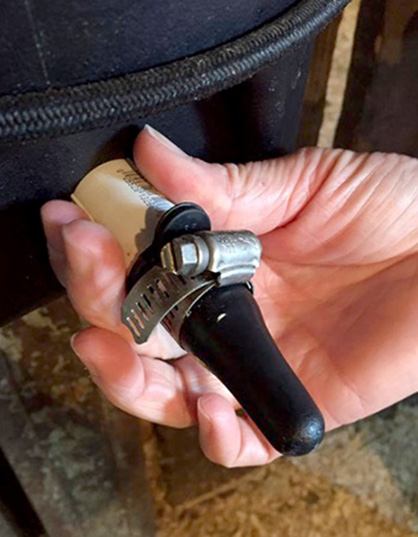
In order to provide the foal with the necessary nutrition, an Igloo cooler was retrofitted with a sheep nipple to allow for nursing. Finally, a bit of success! The filly took to nursing from the cooler quickly, allowing for one big hurdle to be overcome.
Continue reading …Avoid Clostridial Myositis When Administering Banamine
May 30, 2016 Comments Off on Avoid Clostridial Myositis When Administering Banamine
“I was afraid it might start bleeding, but when I pulled my finger out of the wound, gas rushed out of that hole and the stench was foul. I opened it more, grabbed chunks of necrotic muscle tissue and dragged it out. I opened the infected area, packed it with penicillin-soaked gauze, and started the mare on penicillin injections.”
Continue reading …An Incredible Clinic Experience at the Historic 320 Ranch in Big Sky, MT
May 27, 2016 Comments Off on An Incredible Clinic Experience at the Historic 320 Ranch in Big Sky, MT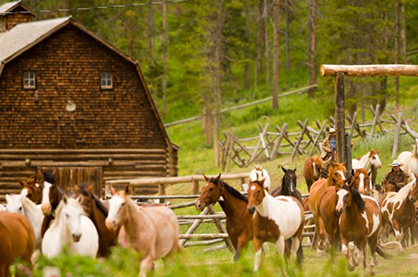
If you’re looking for the perfect getaway that’s also a knowledge-filled learning experience, look no further… Dana Hokana is returning October 1-2, 2016 to the beautiful 320 Guest Ranch located just outside of Big Sky, Montana.
Continue reading …UC Davis Becomes First Vet Facility in the World to Use Portable PET Scanner on Horses
May 23, 2016 Comments Off on UC Davis Becomes First Vet Facility in the World to Use Portable PET Scanner on Horses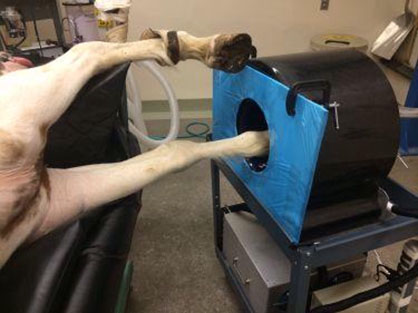
“Preliminary data suggests that PET will be the next big revolution in equine imaging since the development of MRI,” said Spriet.
Continue reading …Long-Acting Tranquilizer Drug Screen Now Available For Equine Owners
May 19, 2016 Comments Off on Long-Acting Tranquilizer Drug Screen Now Available For Equine Owners
To better assist equine owners looking to ensure a horse that’s competing or being purchased hasn’t been given a tranquilizing drug, the Texas A&M Veterinary Medical Diagnostic Laboratory (TVMDL) now offers a Long-Acting Tranquilizer test.
Continue reading …