








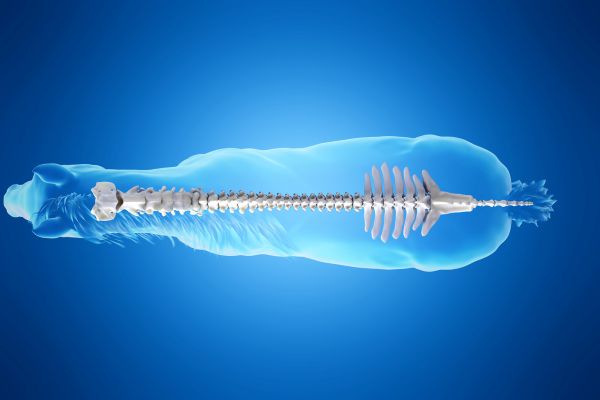
Using Ultrasound to Diagnose SI Joint Disease in Horses
By Kentucky Equine Research Staff Transrectal ultrasound can reveal pathologic changes in the sacroiliac (SI) joint, including problems that may be present in horses that owners perceive as sound. Although ultrasound only images the caudal portion of the SI joint, or the section nearest the tail, one study found that changes detected in this region […]
Watch the Webinar: Healthy Spring Grazing
March 30, 2023 Comments Off on Watch the Webinar: Healthy Spring Grazing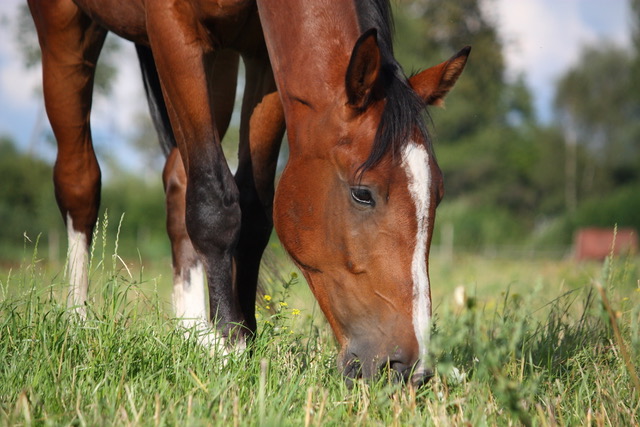
Kentucky Equine Research Do you want to know more about the effects of spring grass on your horse’s gastrointestinal tract? Watch this webinar! Titled “Healthy Spring Grazing,” the webinar is led by Katie Young, Ph.D., an equine nutritionist with a wide range of experience in the field of nutrition, including time spent in academia, industry, […]
Continue reading …Hoof Abscesses in Horses: A Natural Detox
August 10, 2022 Comments Off on Hoof Abscesses in Horses: A Natural Detox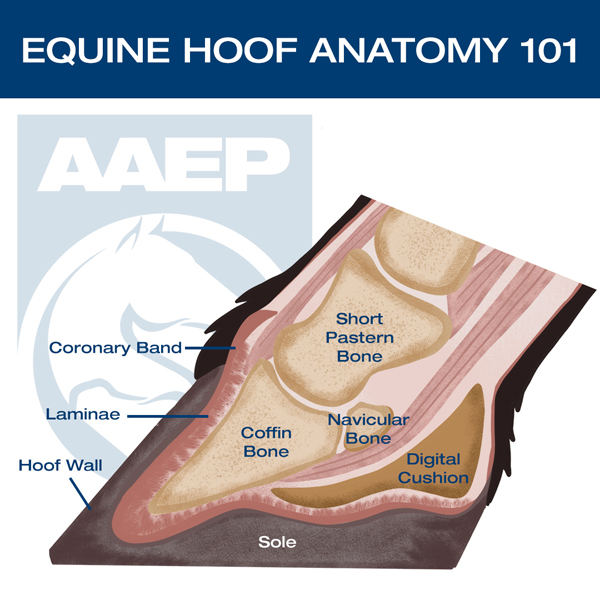
By Kentucky Equine Research Staff If a horse suddenly develops tenderness in a hoof, it is possible an abscess has formed. Abscesses have varying stages of severity, but they have one thing in common: they are created to flush toxins from the body. When harmful bacteria enter a hoof through a crack, fissure, or puncture, the horse’s immune system jolts into action. […]
Continue reading …