








Happy St. Patrick’s Day From The Equine Chronicle!
March 17, 2014 Comments Off on Happy St. Patrick’s Day From The Equine Chronicle!
Over the years, we’ve heard our share of stories about interesting good luck charms and unusual superstitions. Some of our favorites include
Continue reading …EC Foal Photo of the Day: Snow Day!
March 17, 2014 Comments Off on EC Foal Photo of the Day: Snow Day!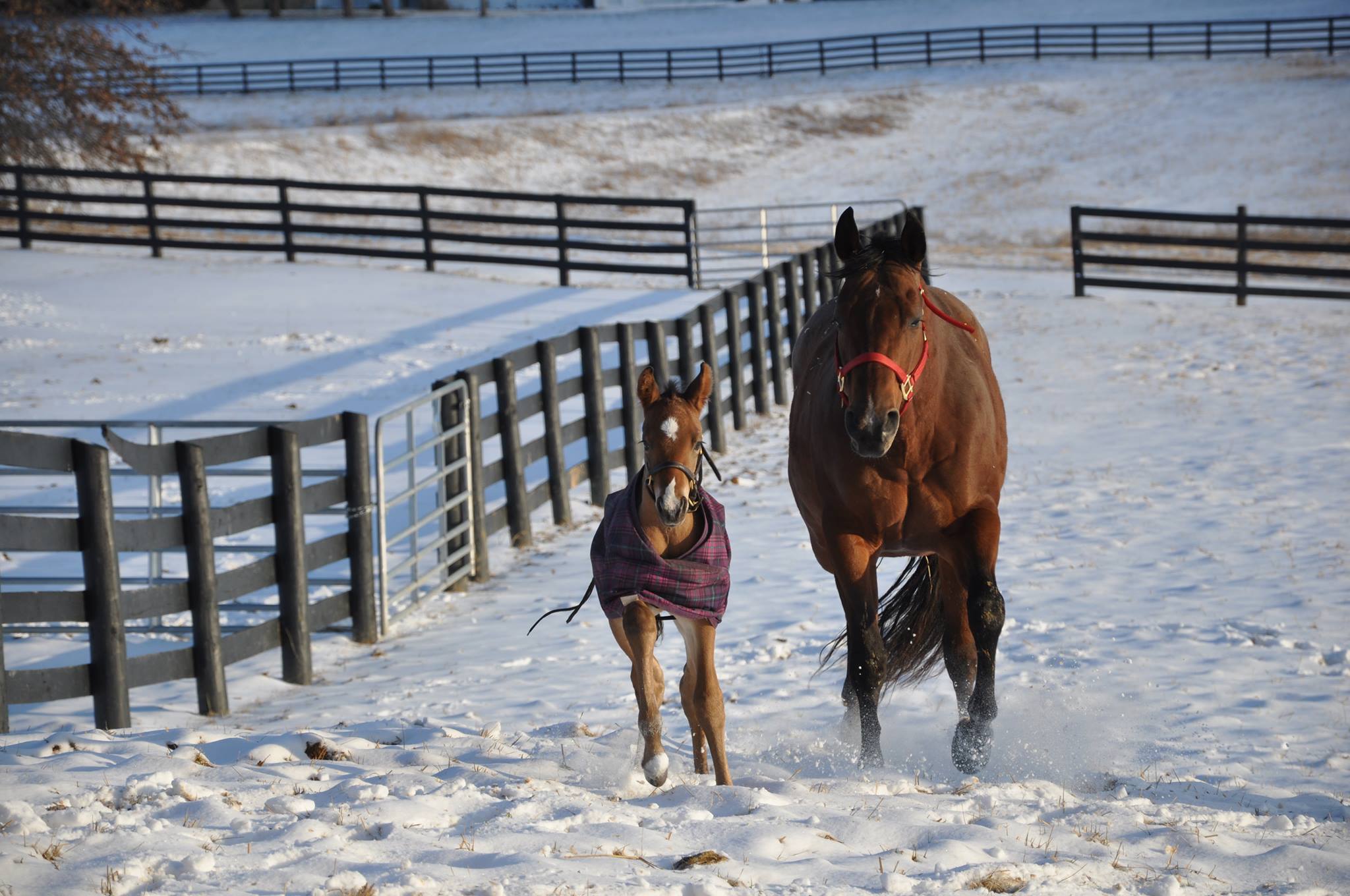
This 2014 colt by Zippos Mr. Goodbar is happily enjoying a snow day with his mother, Cruisin For Pleasure. He is proudly owned by Shane and Darla Leavell. Share your foal photos with us by e-mail at b.bevis@equinechronicle.com or by using #2014foals. Click here to see all of the foals in our 2014 foal photo gallery.
Continue reading …Photo and Results From 2014 Deep South APHA Zone 6 Zone-O-Rama
March 17, 2014 Comments Off on Photo and Results From 2014 Deep South APHA Zone 6 Zone-O-Rama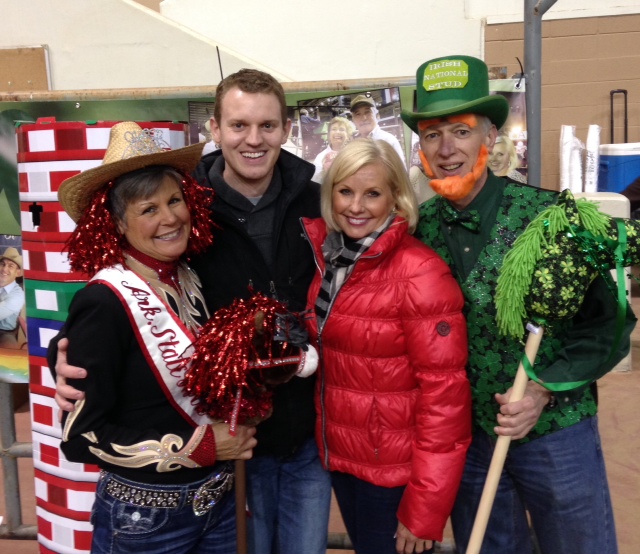
As evident from our EC Around the Ring Photos, a very interesting cast of characters gathered in Tunica, Mississippi for the Deep South Zone 6 Zone-O-Rama that took place over the weekend.
Continue reading …Hundreds of Horses in Egypt Suffering From Political Turmoil
March 17, 2014 Comments Off on Hundreds of Horses in Egypt Suffering From Political Turmoil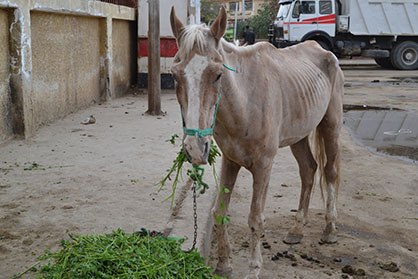
CAUTION- Graphic images
Continue reading …Solid Paint-Bred Named NRCHA National Champion
March 17, 2014 Comments Off on Solid Paint-Bred Named NRCHA National Champion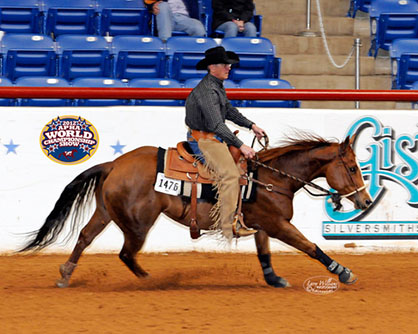
Going against horses from across the United States, No Wright To Smoke emerged the leader of the National Reined Cow Horse Association’s Non-Pro Two-Rein division in 2013.
Continue reading …Famed “Horse In Motion” Photography Inspires an 11-Person Tattoo Animation
March 14, 2014 Comments Off on Famed “Horse In Motion” Photography Inspires an 11-Person Tattoo Animation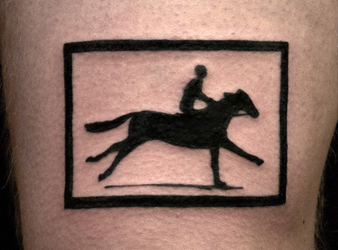
When all of the tattoos were complete, Hawkins photographed each participant and created a stop motion animation that brings “The Horse In Motion” to life. What to see how it turned out? Click here to watch the animation.
Continue reading …EC Foal Photo of the Day: Meet Paris
March 14, 2014 Comments Off on EC Foal Photo of the Day: Meet Paris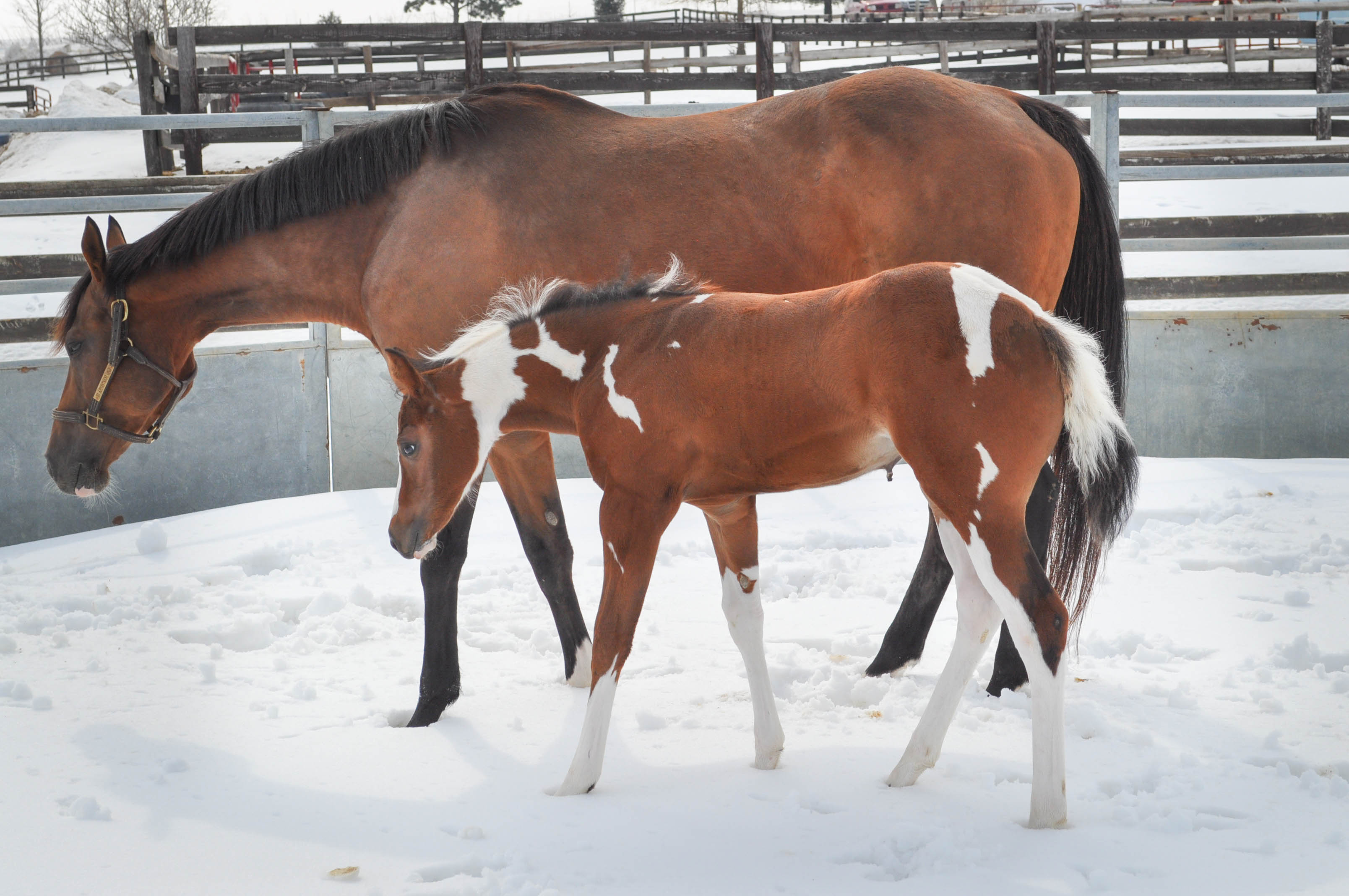
Today’s EC Foal Photo of the Day comes from proud owners, Lyle and Lori Hanson. “Paris” is a 2014 bay tobiano filly by Appointment Only and out of Raise Your Irons, a daughter of Iron Enterprise. Share your foal photos with us by using #2014foals or by emailing b.bevis@equinechronicle.com
Continue reading …Enjoy Southern Hospitality in the Deep South at Zone 6 Zone-O-Rama Beginning Today in Tunica
March 14, 2014 Comments Off on Enjoy Southern Hospitality in the Deep South at Zone 6 Zone-O-Rama Beginning Today in Tunica
In 2013, the Deep South Zone 6 Show was sixth on APHA’s list of top horse shows in the nation with 742 entries, and it awarded $30,000 in cash and prizes.
Continue reading …How You Can Become a Better Rider in Just 5 Minutes
March 14, 2014 Comments Off on How You Can Become a Better Rider in Just 5 Minutes
Take the hip joints, for example. One question I ask at all my clinics is, “Where are your hip joints?” More than 90 percent of people think that their hips are where their belt rests rather than where the joints actually are. I find this misconception of hip location across the USA and Europe, and in riders of all disciplines.
Continue reading …Mare Reproductive Loss Syndrome and Eastern Tent Caterpillars
March 14, 2014 Comments Off on Mare Reproductive Loss Syndrome and Eastern Tent Caterpillars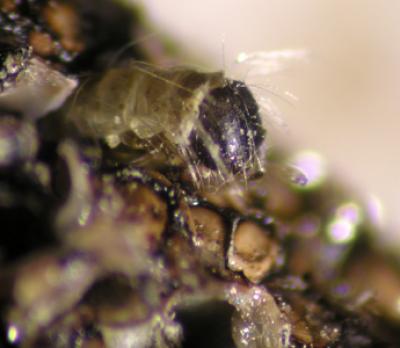
MRLS can cause late-term foal losses, early- and late-term fetal losses and weak foals. Subsequent studies by UK researchers revealed that horses will inadvertently eat the caterpillars, and the caterpillar hairs embed into the lining of the alimentary tract.
Continue reading …