






Around the Rings at The Congress – 10/15 with the G-Man
October 15, 2015 Comments Off on Around the Rings at The Congress – 10/15 with the G-Man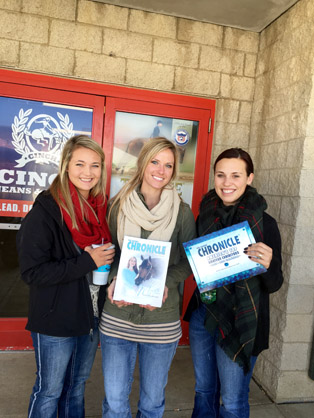 Continue reading …
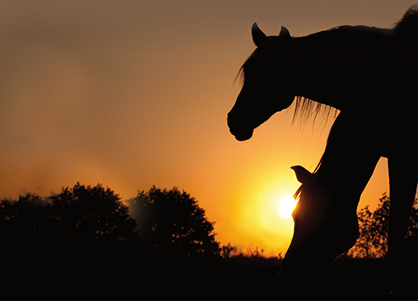
Horses occasionally develop inflammation and ulceration of the gut lining, most commonly in the stomach (gastric ulcers). Colitis, or inflammation of the colon, is more rare, but can be very serious. For some reason, this problem tends to occur more in the right dorsal colon.
Continue reading …Around the Rings at The Congress – 10/14 with the G-Man
October 14, 2015 Comments Off on Around the Rings at The Congress – 10/14 with the G-Man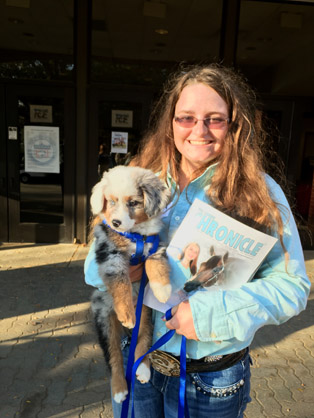 Continue reading …
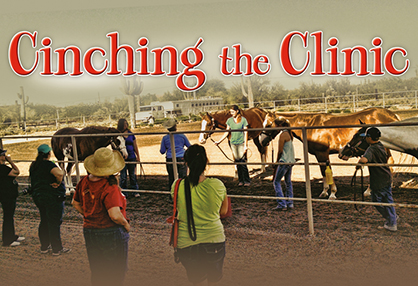
Clinics are popping up all over the place these days. They range from demonstrations to pre-World Show boot camps and everything in between. Large horse shows like the All-American Quarter Horse Congress, APHA, ApHC, and AQHA World Shows, and the Arizona Sun Circuit are just a few events that now include free clinics in their schedules as a perk for exhibitors and the public.
Continue reading …Around the Rings at The Congress – 10/13 with the G-Man
October 13, 2015 Comments Off on Around the Rings at The Congress – 10/13 with the G-Man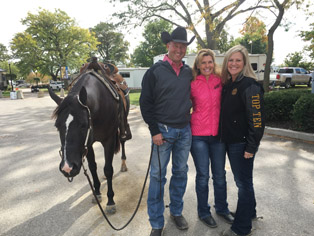 Continue reading …
Katsy Leeman – Reaching the Top in Divergent Disciplines
October 13, 2015 Comments Off on Katsy Leeman – Reaching the Top in Divergent Disciplines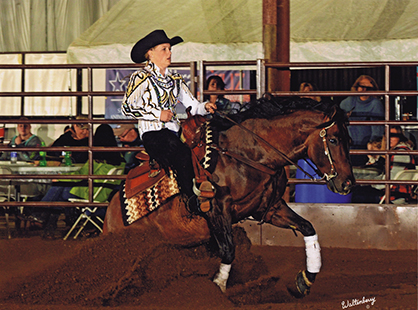
Striving to become a champion in any discipline is a challenge, but one that’s not too daunting for 22 year-old Katsy Leeman, of Massillon, Ohio, who often takes on many events at a time. Leeman competes in Reining at top NRHA events and Western Pleasure at the top AQHA and NSBA events and is determined to be the best at both.
Continue reading …Around the Rings at The Congress – 10/12 with the G-Man
October 12, 2015 Comments Off on Around the Rings at The Congress – 10/12 with the G-Man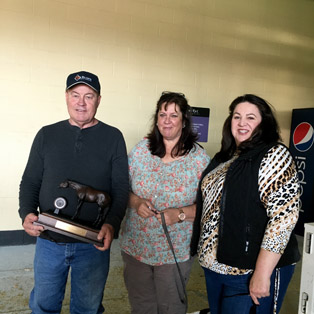 Continue reading …
Performance Halter – What Are Judges Looking For?
October 12, 2015 Comments Off on Performance Halter – What Are Judges Looking For?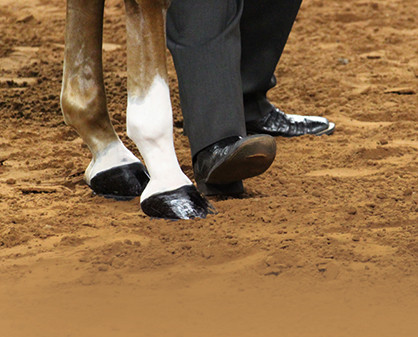
In an effort to encourage and reward the concept of form-to-function, AQHA introduced Performance Halter classes in 2007. Since their inception, they have steadily gained popularity and are now some of the largest classes at shows across the United States. Performance Halter was designed to reward performance horses that are conformationally correct and structurally sound.
Continue reading …Around the Rings at The Congress – 10/11 with the G-Man
October 11, 2015 Comments Off on Around the Rings at The Congress – 10/11 with the G-Man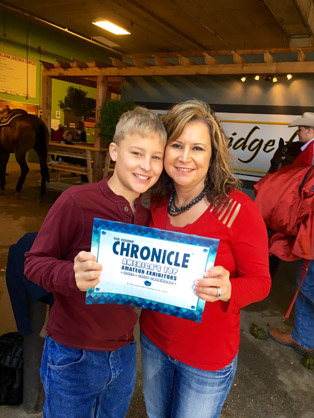 Continue reading …
Tax Matters – Are “Ag-Gag” Laws Constitutional?
October 11, 2015 Comments Off on Tax Matters – Are “Ag-Gag” Laws Constitutional?
“Ag-gag” is the term used to describe anti-whistleblower laws that apply within the agriculture industry. About half a dozen states have passed laws to criminalize surreptitious filming of alleged abuses of animals on farms and ranches. These laws are an attempt to prevent undercover investigative reporting or whistleblowing by employees, and to suppress the use of the videos to build support for stronger penalties for the abuse of cows, chickens, hogs or other animals. Ag-gag laws are justified as a way of preventing interference with agricultural production.
Continue reading …